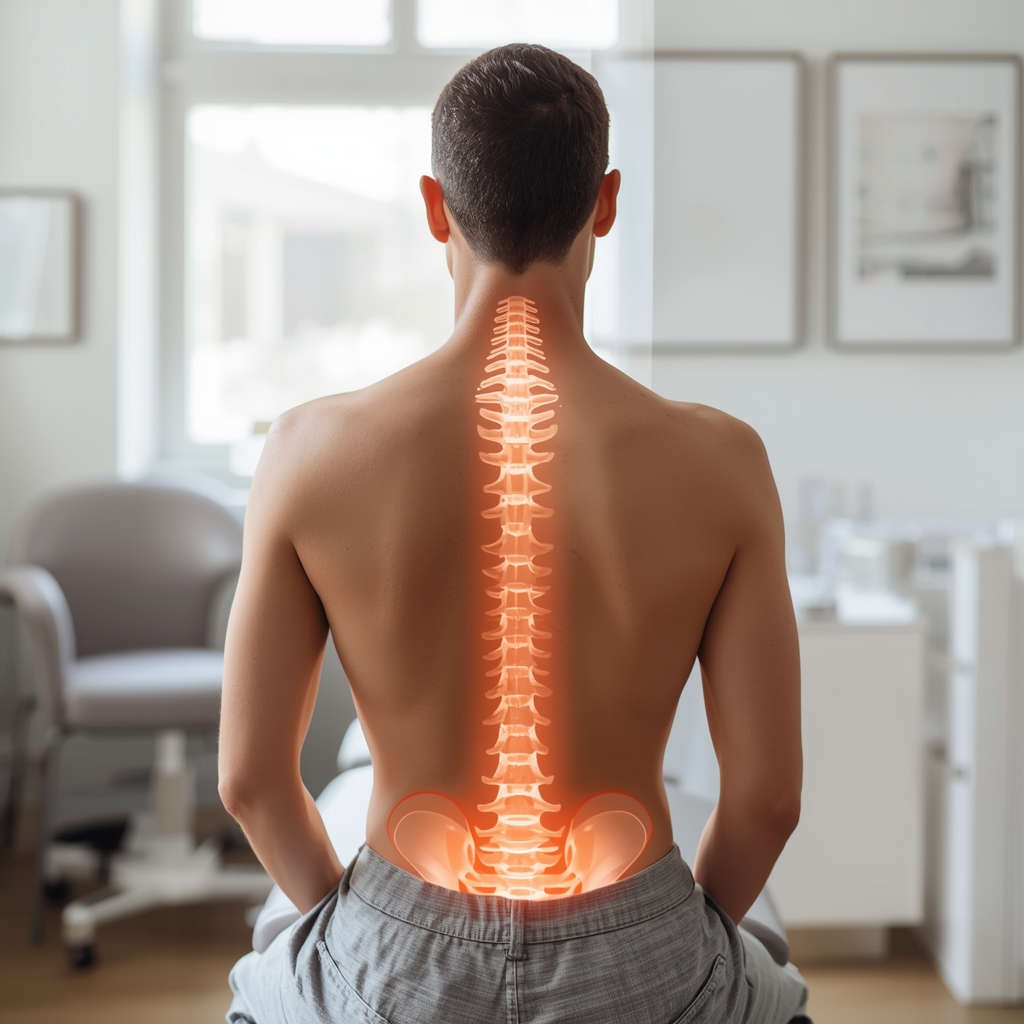
Understanding the Quadratus Lumborum and Its Role in Lower Back Pain
The quadratus lumborum (QL) is a deep muscle located in the lower back, connecting the pelvis to the lower ribs and spine. It plays a critical role in stabilizing the spine, maintaining posture, and facilitating side-bending and trunk extension movements. When the QL becomes tight, inflamed, or develops trigger points, it can contribute to chronic lower back pain, often mimicking symptoms of other conditions like sciatica or sacroiliac joint dysfunction. This muscle is frequently overworked due to poor posture, repetitive movements, or prolonged sitting, making it a common source of discomfort for many individuals. Understanding its anatomy and function is essential for addressing pain effectively, as targeted interventions like dry needling may offer relief by addressing the root cause rather than just the symptoms.
How Dry Needling Works on the Quadratus Lumborum
Dry needling is a technique where thin needles are inserted into specific points in the muscle to stimulate healing and reduce pain. For the quadratus lumborum, this approach targets areas of tension or dysfunction, often referred to as trigger points. The needles are believed to encourage blood flow, reduce inflammation, and relax the muscle, which can alleviate pain and improve mobility. Unlike traditional acupuncture, dry needling focuses on musculoskeletal issues rather than energy meridians. By directly addressing the QL, this method can help restore normal muscle function and reduce the referred pain that often radiates from this region. While the exact mechanisms are still studied, many practitioners and patients report significant relief after sessions. It is typically used alongside other therapies, such as physical therapy or chiropractic adjustments, to provide comprehensive care for chronic lower back pain.
Key Trigger Points in the Quadratus Lumborum
The quadratus lumborum contains several trigger points that can refer pain to the lower back, hips, and even the groin. Common sites include the muscle’s attachment to the pelvis and its connection to the lower ribs. When these points are activated, they may cause localized tenderness and radiate discomfort, often mistaken for other back issues. Identifying these trigger points requires expertise, as their location can vary slightly among individuals. A trained practitioner may use palpation or imaging to locate them accurately. Dry needling aims to deactivate these points by inserting needles directly into the affected areas, which can reduce muscle spasms and improve function. Patients often describe a release of tension or a “crackling” sensation during the procedure, indicating the muscle’s response to the treatment. Addressing these trigger points is a key step in managing chronic pain associated with the QL.
Benefits of Dry Needling for Chronic Lower Back Pain
For individuals suffering from chronic lower back pain linked to the quadratus lumborum, dry needling offers several potential benefits. By targeting specific trigger points, this technique can reduce muscle tightness, improve range of motion, and decrease pain levels. Many patients report faster recovery times and reduced reliance on medications after undergoing dry needling sessions. Additionally, the procedure may enhance the body’s natural healing processes by increasing blood flow and reducing inflammation in the affected area. Unlike invasive treatments, dry needling is minimally disruptive and typically has fewer side effects. However, results can vary, and it is most effective when integrated with other therapeutic approaches, such as exercise or manual therapy. It is important to consult a qualified practitioner to determine if dry needling is suitable for your specific condition and to ensure the treatment is administered safely and effectively.
What to Expect During a Dry Needling Session
A typical dry needling session for the quadratus lumborum begins with a thorough assessment by a licensed practitioner to identify the specific areas of tension or trigger points. Once the target sites are determined, the practitioner inserts thin, sterile needles into the muscle. Patients may feel a brief pinch or a dull ache as the needles are placed, followed by a sensation of pressure or a twitch in the muscle. These reactions are normal and indicate the muscle is responding to the treatment. The needles remain in place for several minutes while the patient relaxes. After removal, the practitioner may perform gentle stretching or manual techniques to further release tension. Most sessions last 20-40 minutes, and multiple sessions are often recommended for optimal results. While some individuals experience immediate relief, others may notice gradual improvements over several visits. It is essential to communicate any discomfort or concerns with the practitioner during the session.
When to Consider Dry Needling for Your Pain
Chronic lower back pain that persists despite conservative treatments like physical therapy or medication may warrant consideration of dry needling. If the quadratus lumborum is suspected as a contributing factor—such as when pain is localized to the lower back or radiates to the hips—this technique could be a viable option. However, it is crucial to consult a qualified healthcare provider to rule out other underlying conditions before proceeding. Dry needling is generally safe but may not be suitable for everyone, particularly those with bleeding disorders or infections. Patients should discuss their medical history and current medications with their practitioner. While dry needling can be an effective tool, it is part of a broader treatment plan that may include chiropractic care, exercise, or lifestyle modifications. Ultimately, the decision to pursue this therapy should be made in collaboration with a healthcare professional to ensure it aligns with your individual needs and goals.