Spinal Alignment and Nerve Pathways
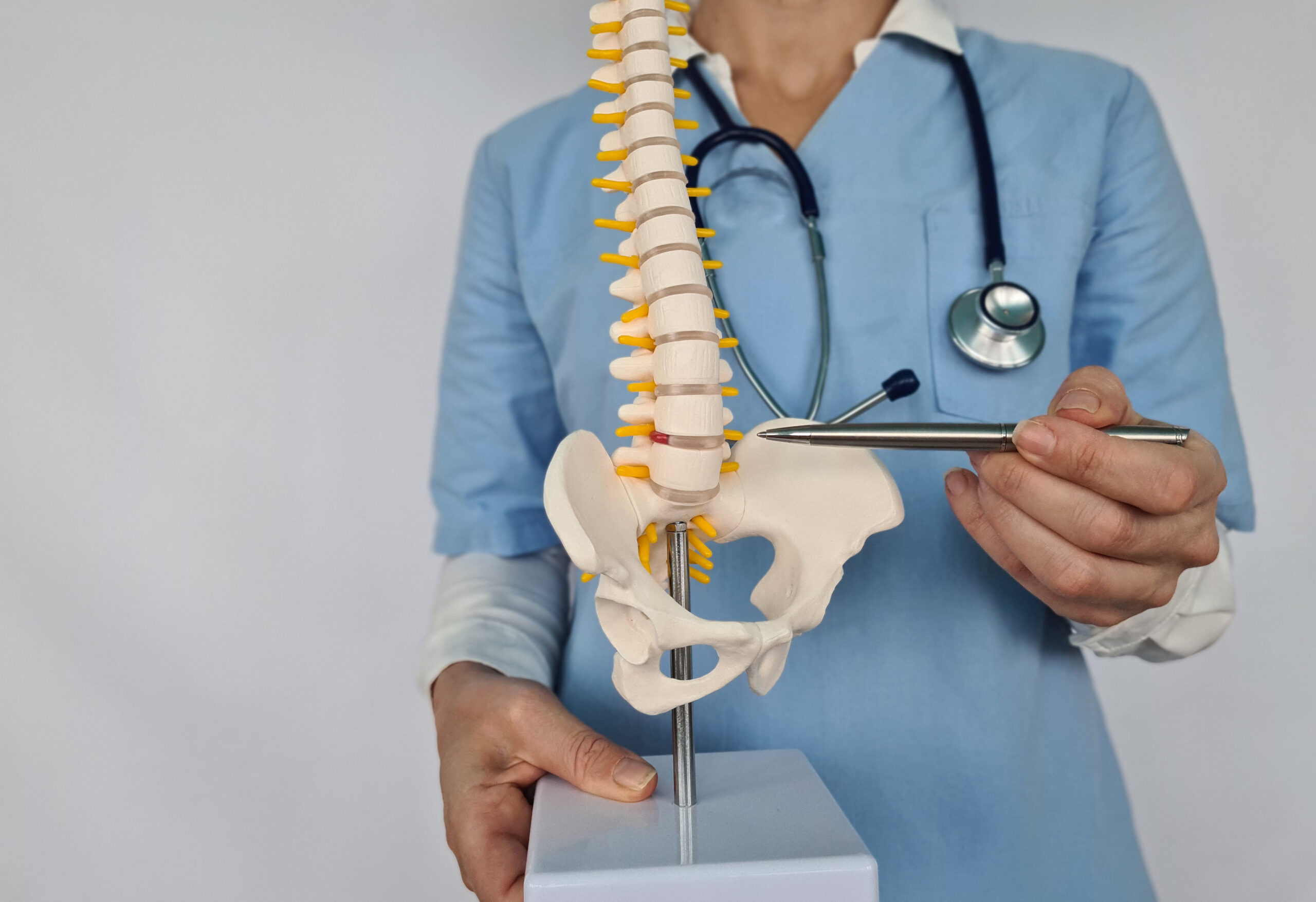
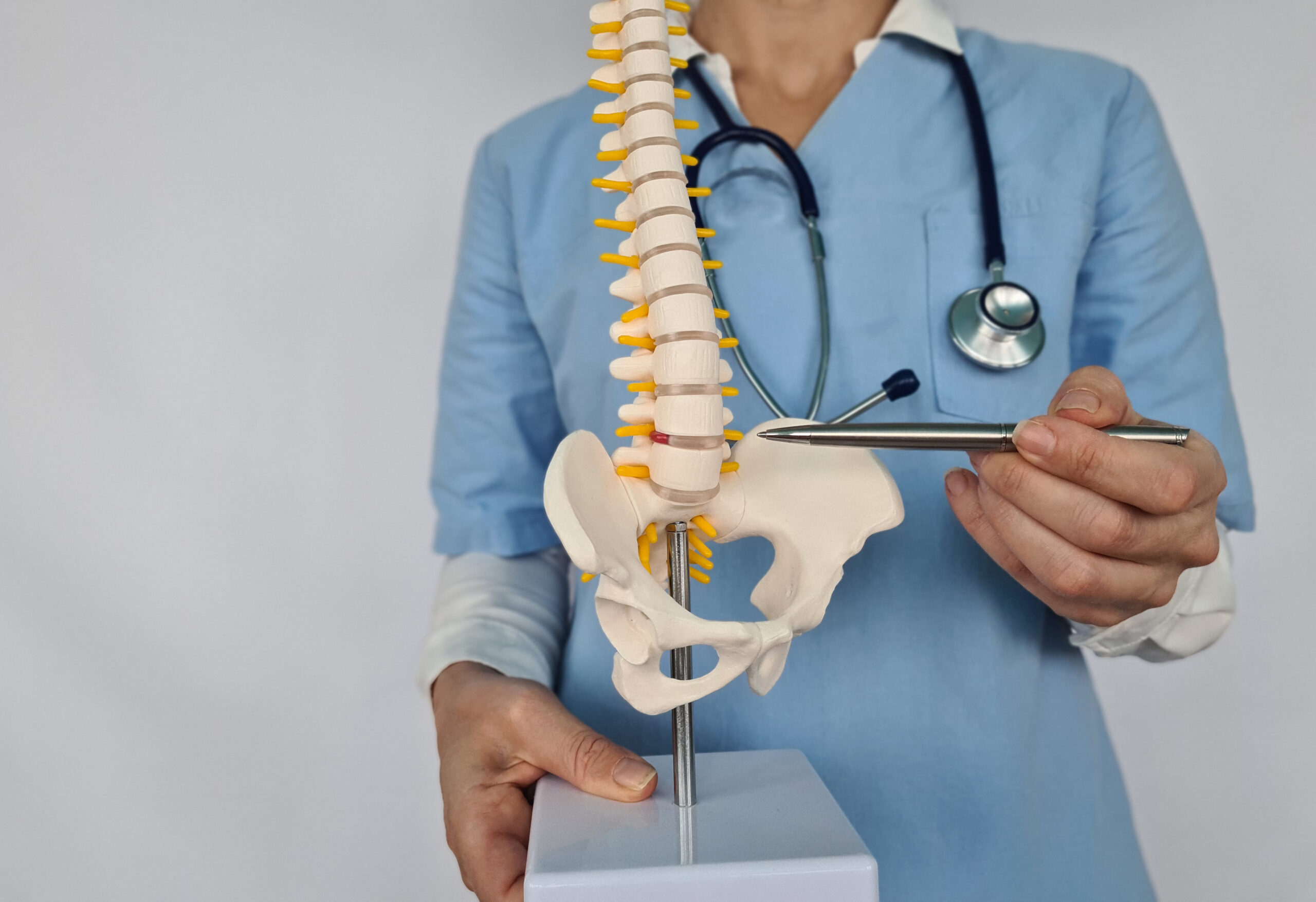
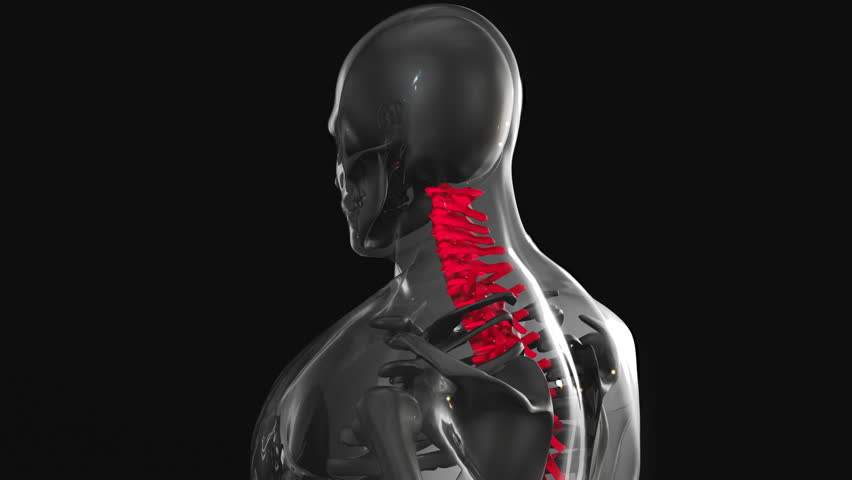
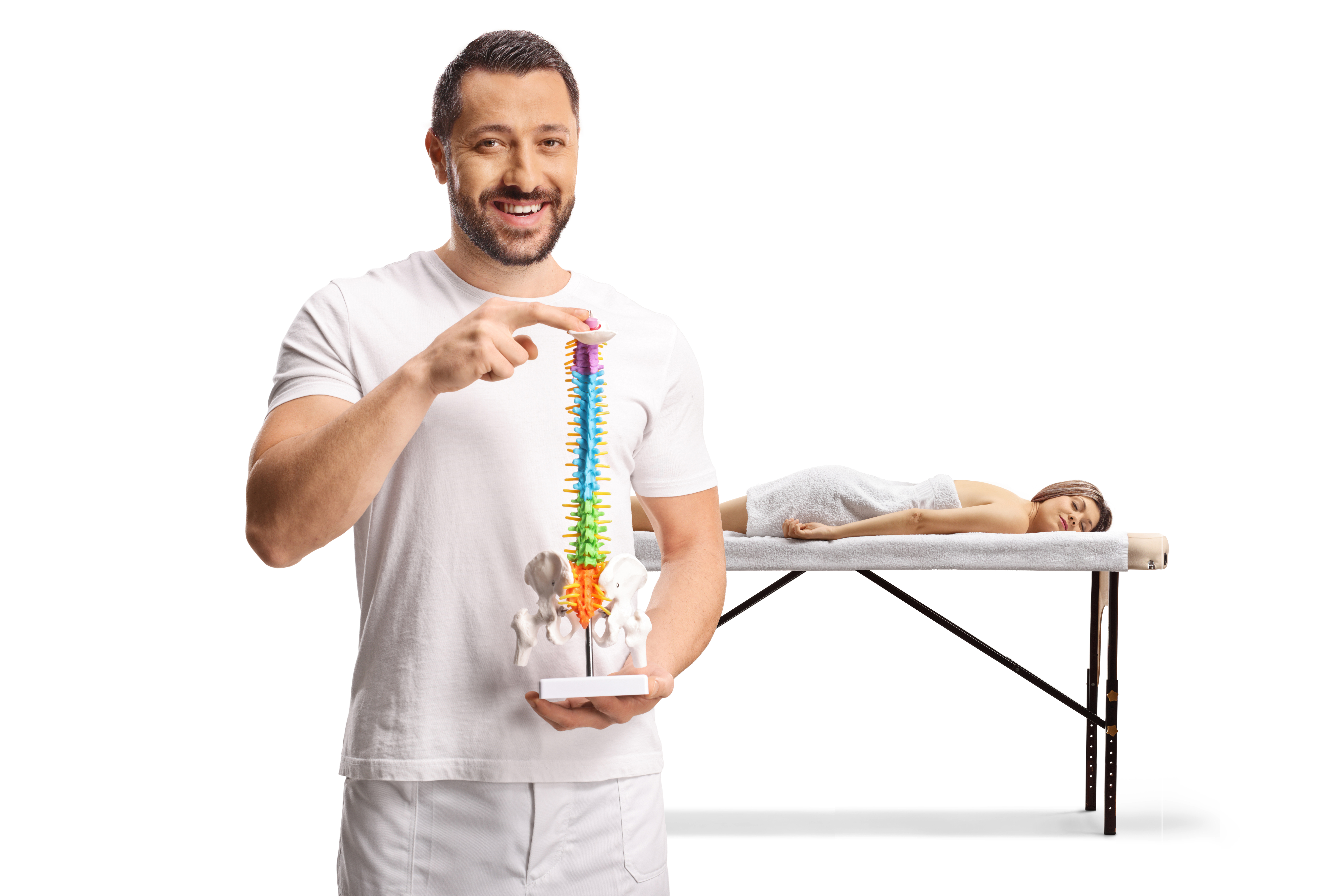
Spinal adjustments aim to restore proper alignment of the vertebrae, which can alleviate pressure on nerves. The spine houses and protects the spinal cord, a critical pathway for nerve signals between the brain and body. Misalignments, or subluxations, may compress or irritate nerves, disrupting communication. By realigning the spine, chiropractors seek to reduce this interference, allowing nerves to function more effectively. This principle is rooted in the idea that optimal spinal mechanics support overall nervous system health. While the exact mechanisms are complex, the goal is to create a stable, mobile environment for the spine to promote natural healing.
Joint Mobilization and Facet Joint Dynamics
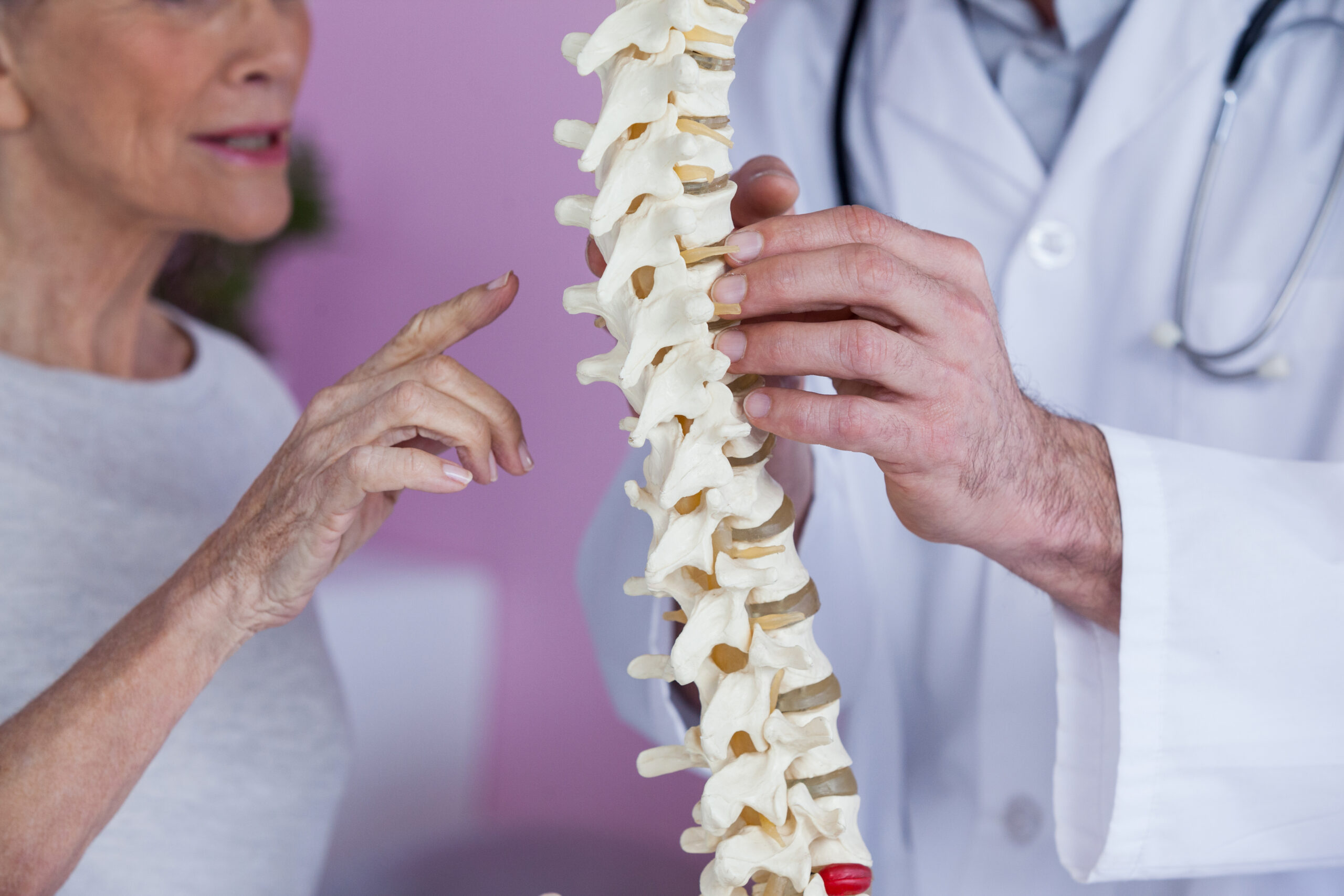
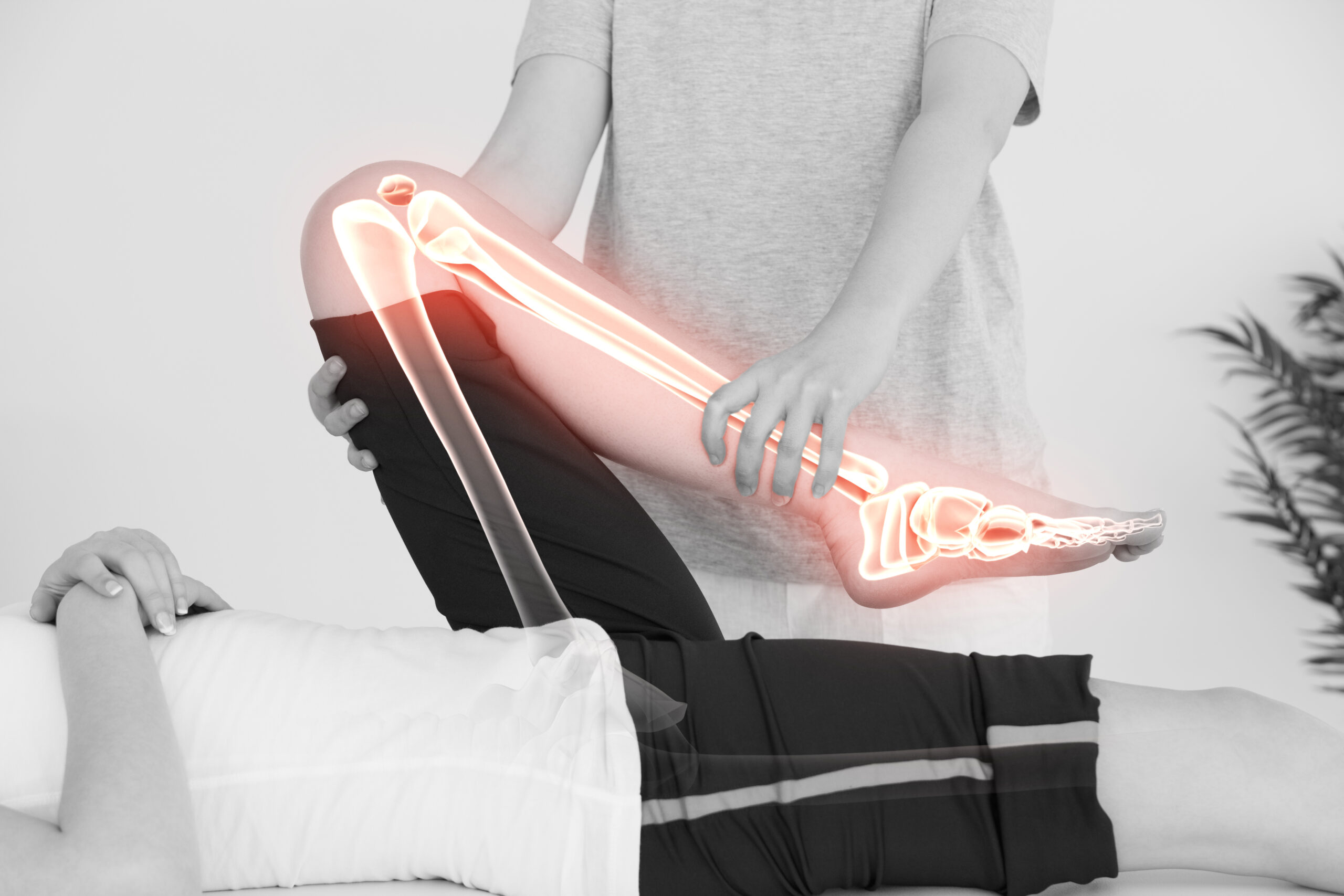
Spinal adjustments often involve mobilizing joints to improve range of motion and reduce stiffness. The facet joints, which connect adjacent vertebrae, play a key role in spinal movement. When these joints become restricted due to injury, poor posture, or degenerative changes, they can contribute to nerve compression. Adjustments apply controlled force to these joints, restoring their normal function. This process may help reduce inflammation and muscle tension surrounding the joints. By enhancing joint mobility, chiropractic care can potentially decrease mechanical stress on nerves and improve overall spinal stability, supporting the body’s ability to self-regulate.
Muscle Tension and Soft Tissue Interaction
muscle tension often accompanies spinal misalignments, exacerbating nerve compression. Tight muscles can pull on the spine, altering its natural curvature and increasing pressure on nerves. Spinal adjustments may indirectly address this by restoring proper biomechanics, which can reduce the workload on surrounding muscles. When the spine is aligned, muscles are less likely to compensate for imbalances, leading to relaxation and improved function. This interaction between bone and soft tissue highlights the interconnected nature of the musculoskeletal system. By addressing both structural and muscular components, chiropractic care aims to create a balanced environment that supports nerve health and reduces discomfort.
Neural Tension Relief Mechanisms
Nerve compression can cause pain, numbness, or weakness by disrupting signal transmission. Spinal adjustments may relieve this tension by altering the mechanical environment around nerves. For example, realigning the spine can reduce direct pressure on nerve roots exiting the spinal cord. Additionally, adjustments may stimulate mechanoreceptors in the joints and muscles, which can modulate pain signals through the nervous system. This dual action—reducing physical pressure and influencing neural feedback—may contribute to symptom relief. While the exact physiological pathways are still studied, the focus remains on creating conditions that allow nerves to function without excessive mechanical stress.
Biomechanical Stress Redistribution
When a spinal segment is misaligned, it can create uneven stress across the spine, leading to compensatory changes in adjacent areas. Spinal adjustments aim to redistribute this stress more evenly, promoting balanced biomechanics. By correcting misalignments, chiropractors may help prevent overuse or strain on specific joints and muscles. This redistribution can also reduce the likelihood of further nerve compression by maintaining the spine’s natural curves and load-bearing capacity. The goal is to restore a stable foundation that supports the body’s mechanical integrity, potentially reducing pain and improving long-term function.
Long-Term Structural Adaptation
Consistent spinal adjustments may encourage the body to adapt to a more optimal structural arrangement over time. The spine’s ability to remodel itself in response to mechanical forces is a key aspect of biomechanical principles. By repeatedly restoring proper alignment, chiropractic care may help the body maintain healthier postural habits and joint function. This adaptation can reduce the frequency of misalignments and the associated nerve compression. However, individual results vary, and factors like lifestyle, posture, and overall health play a role. Chiropractic care is often part of a broader approach to maintaining spinal health and supporting the body’s natural resilience.