Understanding Vestibular Neuritis and Chiropractic Approaches
Vestibular neuritis is an inner ear condition causing sudden, severe vertigo without hearing loss. It results from inflammation of the vestibular nerve, disrupting balance signals to the brain. While typically managed medically, some patients explore chiropractic care for symptom relief. Chiropractors focus on nervous system function and musculoskeletal alignment, which may indirectly support vestibular health. However, it’s crucial to consult a qualified provider to rule out other causes and ensure safe, evidence-based care. Chiropractic techniques should complement, not replace, conventional treatments for this condition.
Spinal Adjustments and Postural Rebalancing
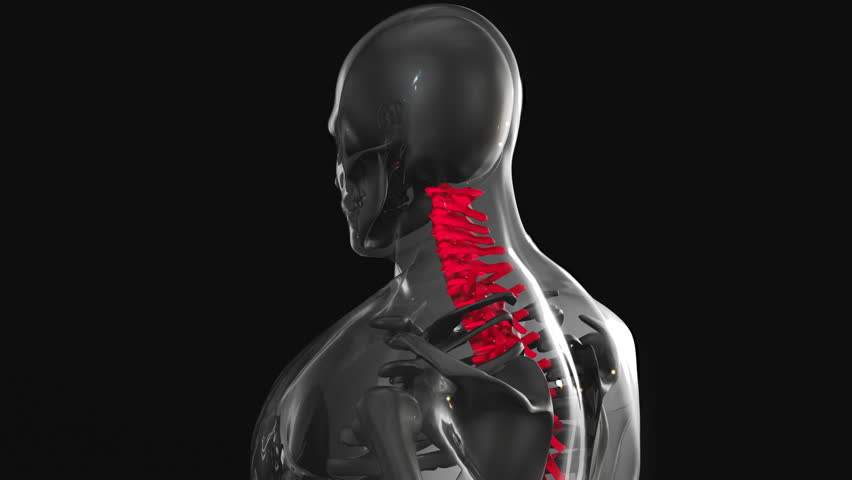
Spinal adjustments aim to restore proper alignment and nerve function, which may alleviate secondary symptoms linked to vestibular neuritis. While cervical spine adjustments are not typically recommended for this condition, thoracic or lumbar adjustments could address postural imbalances that strain the vestibular system. By improving spinal mechanics, these techniques may reduce referred tension and enhance overall stability. However, the evidence for spinal adjustments specifically targeting vestibular neuritis remains limited. Patients should discuss their unique needs with a chiropractor to determine if this approach aligns with their care plan.
Vestibular Rehabilitation and Chiropractic Integration
Vestibular rehabilitation therapy (VRT) is a specialized form of physical therapy designed to retrain the brain to process balance signals. Some chiropractors incorporate VRT principles into their practice, using tailored exercises to improve coordination and reduce dizziness. These may include gaze stabilization, balance training, and habituation exercises. While VRT is traditionally a physical therapy intervention, chiropractors with additional training may integrate similar strategies. This approach emphasizes gradual exposure to movement to desensitize the vestibular system, potentially reducing vertigo episodes over time. Always seek a provider with expertise in both chiropractic care and vestibular rehabilitation.
Soft Tissue and Myofascial Techniques
Soft tissue therapies like myofascial release and trigger point therapy can address muscle tension that may exacerbate vertigo symptoms. Tightness in the neck, shoulders, or upper back can indirectly affect balance by altering proprioception. Chiropractors often use these techniques to relieve muscle spasms and improve circulation, which may support the body’s natural healing processes. While not a direct treatment for vestibular neuritis, these methods can complement other interventions by reducing secondary discomfort. Patients should communicate any sensitivity or pain during these sessions to ensure a safe and effective experience.
Integrating Lifestyle and Environmental Modifications
Chiropractic care often includes guidance on lifestyle adjustments to support recovery from vestibular neuritis. Recommendations may involve avoiding sudden head movements, maintaining hydration, and managing stress, which can influence vestibular function. Ergonomic adjustments for workspaces or sleeping positions may also be suggested to minimize balance challenges. Additionally, patients might receive advice on nutrition and sleep hygiene to promote overall wellness. These strategies aim to create a supportive environment for the body’s recovery, working alongside professional care. Individualized plans are essential to address specific needs and limitations.
When to Seek Professional Care and What to Expect
If vertigo persists or worsens, it’s vital to consult a healthcare provider to confirm a diagnosis of vestibular neuritis and rule out other conditions. Chiropractors with experience in vestibular disorders can develop a personalized care plan, which may include a combination of techniques discussed here. Initial visits typically involve a thorough evaluation of symptoms, medical history, and physical examination. Patients should expect open communication with their provider to ensure treatments are safe and appropriate. While chiropractic care may offer supportive benefits, it should never replace evidence-based medical treatments. Regular follow-ups help monitor progress and adjust strategies as needed.