Understanding Scoliosis and Its Impact on Adolescents
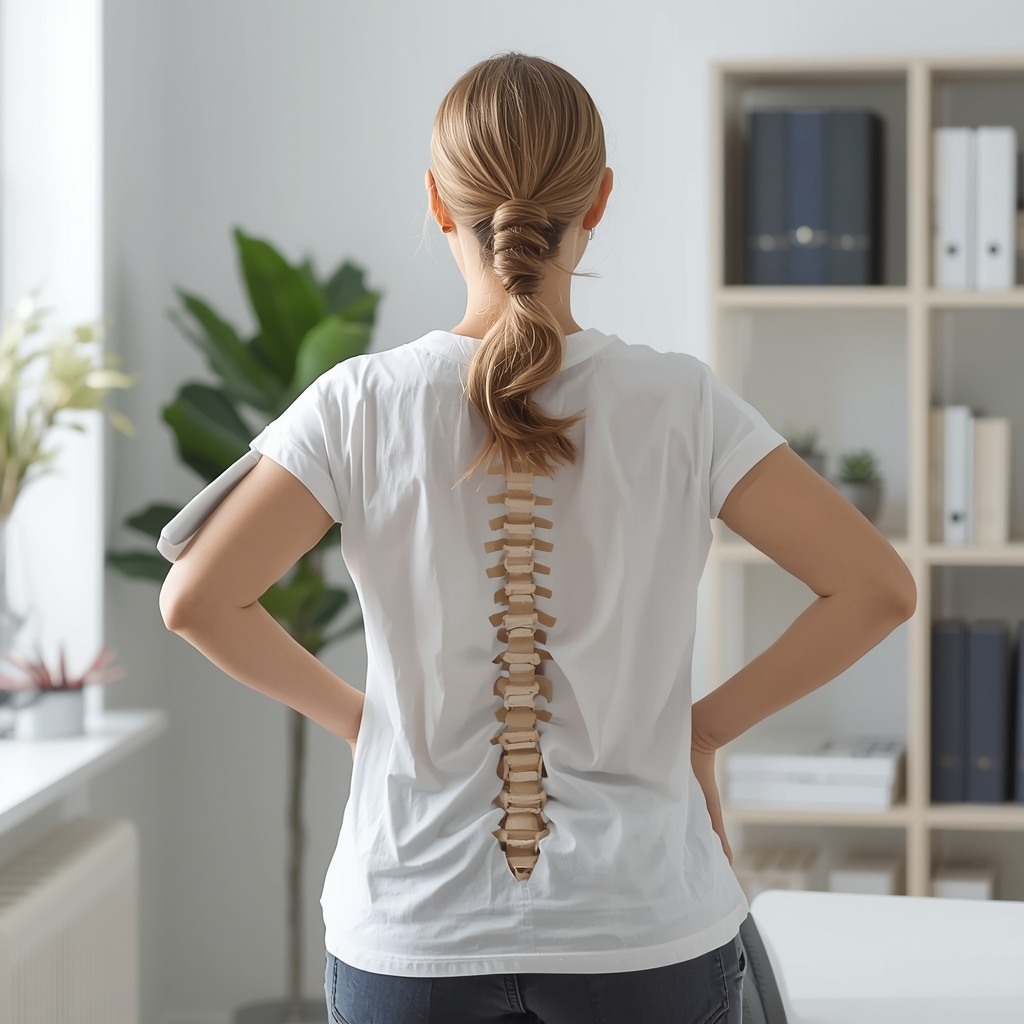
Scoliosis is a spinal condition characterized by an abnormal lateral curvature, often diagnosed during adolescence. While mild cases may require monitoring, more severe instances can affect posture, breathing, and overall quality of life. Chiropractic care focuses on managing symptoms and supporting spinal alignment, but its role varies depending on the patient’s age. In adolescents, the spine is still developing, which influences treatment strategies. Unlike adults, whose skeletal structures are more rigid, adolescents may benefit from interventions that encourage natural growth patterns. Chiropractors often emphasize non-invasive approaches, such as spinal adjustments and postural exercises, to address curvature without surgical intervention. However, the effectiveness of these methods remains a topic of ongoing research and clinical discussion.
Adolescent-Specific Chiropractic Approaches
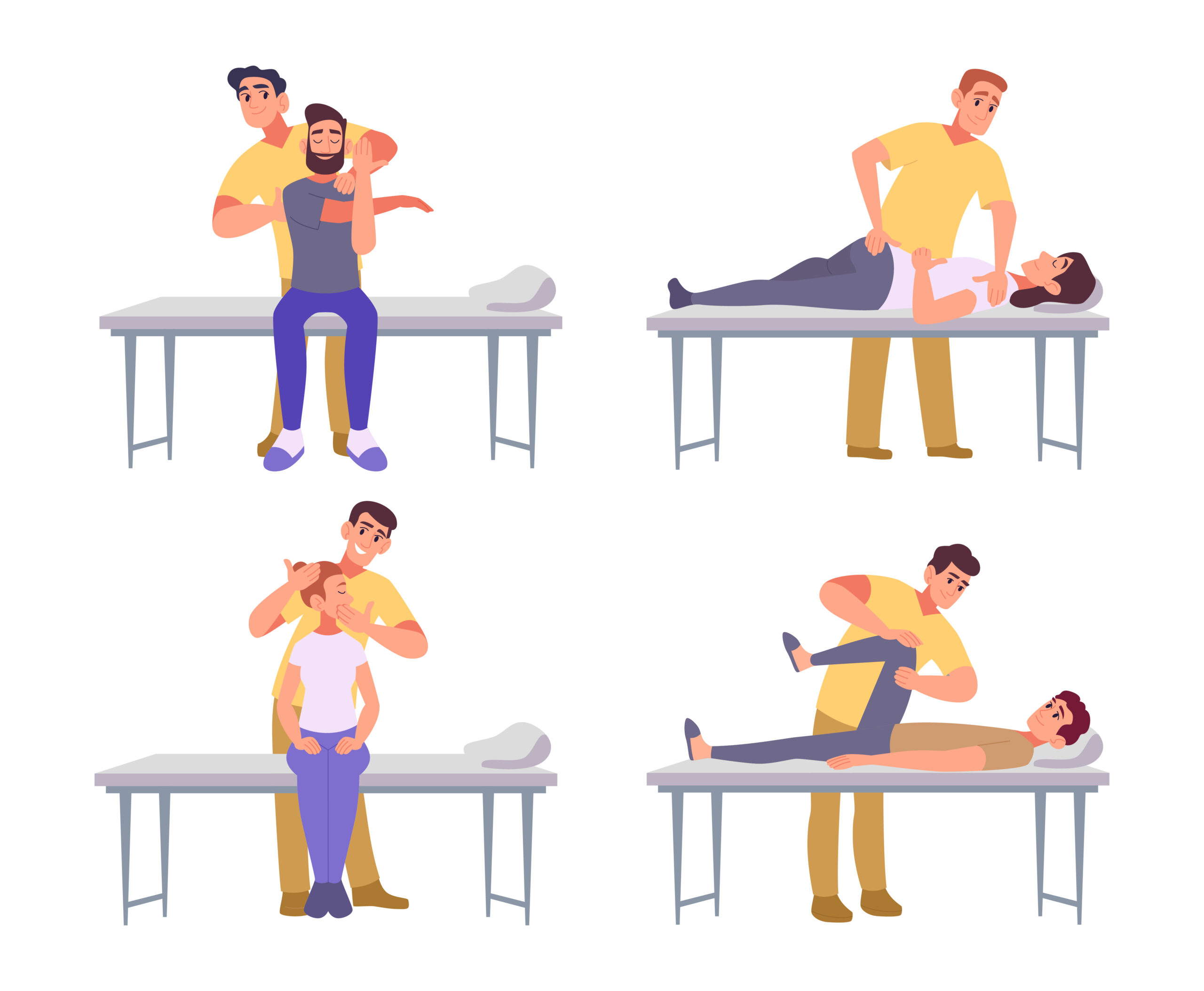
Chiropractic care for adolescents with scoliosis prioritizes gentle, developmentally appropriate techniques. Since the spine is still growing, adjustments are tailored to avoid excessive force while promoting proper alignment. Spinal manipulation, soft tissue therapy, and corrective exercises are commonly used to support musculoskeletal balance. Some practitioners incorporate neurofunctional assessments to identify imbalances affecting posture and movement. These approaches aim to reduce discomfort, improve mobility, and potentially slow curvature progression. However, it’s crucial to note that chiropractic care is not a substitute for medical evaluation. Adolescents should work with a qualified chiropractor and a primary care physician to ensure a comprehensive treatment plan. Regular monitoring is essential, as scoliosis can evolve rapidly during growth spurts.
Adult Scoliosis Treatment and Chiropractic Considerations
For adults, scoliosis management often involves different strategies due to fully developed skeletal structures. While chiropractic care can still play a role, the focus shifts toward symptom relief rather than correcting curvature. Adjustments may be more cautious to avoid strain on older, less flexible joints. Adults frequently seek chiropractic help for pain reduction, improved mobility, and enhanced quality of life. Techniques like spinal decompression, massage, and therapeutic exercises are commonly used. However, severe cases may require medical interventions such as bracing or surgery, which chiropractors typically do not recommend. The emphasis on non-invasive care remains, but adult treatment plans must account for comorbidities and long-term spinal health. Collaboration with other healthcare providers ensures a holistic approach.
Distinguishing Adolescent and Adult Treatment Goals
The primary difference between chiropractic care for adolescents and adults lies in treatment objectives. In adolescents, the goal is often to support natural spinal development and prevent worsening curvature. Techniques are designed to be gentle and adaptive to growth patterns. For adults, the focus is on managing pain, maintaining mobility, and addressing secondary complications like muscle tension or nerve compression. While both groups benefit from improved posture and alignment, the underlying motivations differ. Adolescents may require more frequent adjustments during growth spurts, whereas adults might prioritize long-term comfort. Chiropractors must customize care plans based on age-related factors, ensuring interventions align with the patient’s unique needs and physical state.
The Role of Early Intervention and Monitoring
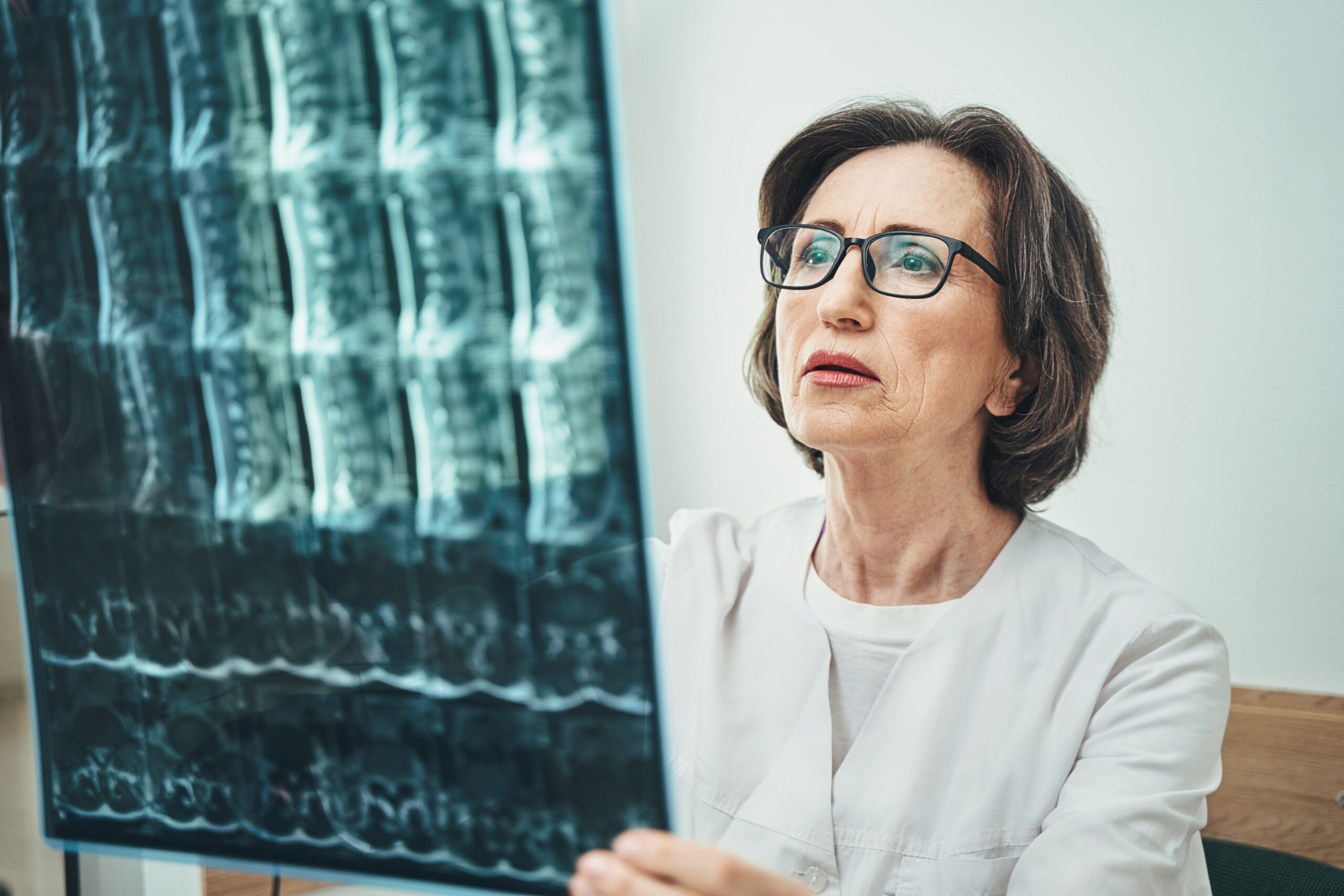
Early detection and consistent monitoring are critical in scoliosis management, particularly for adolescents. Chiropractors often work alongside orthopedic specialists to track curvature progression and adjust treatment plans accordingly. Regular check-ups allow for timely interventions, which can prevent more severe complications. For adolescents, early chiropractic care may help alleviate discomfort and support proper spinal development. Adults, on the other hand, may benefit from ongoing maintenance to manage chronic symptoms. Regardless of age, a multidisciplinary approach ensures comprehensive care. Patients and families should remain proactive in following recommended protocols, as scoliosis can evolve over time. Open communication with healthcare providers is essential for optimal outcomes.
Consulting a Qualified Chiropractor for Personalized Care
Each scoliosis case is unique, requiring individualized care plans. Adolescents and adults should consult a licensed chiropractor with experience in spinal conditions to explore suitable options. A thorough evaluation helps determine the most appropriate techniques, whether for growth support, pain relief, or functional improvement. Chiropractors may also recommend complementary therapies, such as physical therapy or ergonomic adjustments, to enhance results. It’s important to remember that chiropractic care is part of a broader healthcare strategy, not a standalone solution. Patients should discuss their goals and concerns with their provider to create a balanced approach. By working collaboratively with healthcare professionals, individuals can make informed decisions about their scoliosis management.