Understanding Active Release Technique (ART) and Carpal Tunnel Syndrome
Active Release Technique (ART) is a soft tissue therapy used by chiropractors to treat conditions caused by overuse, injury, or repetitive strain. Carpal tunnel syndrome (CTS) occurs when the median nerve in the wrist becomes compressed, leading to pain, numbness, and weakness in the hand and fingers. ART focuses on breaking down scar tissue and adhesions in muscles, tendons, and ligaments, which can contribute to nerve compression. By addressing these restrictions, ART may help reduce pressure on the median nerve and improve symptoms associated with CTS.
How ART Addresses Carpal Tunnel Syndrome
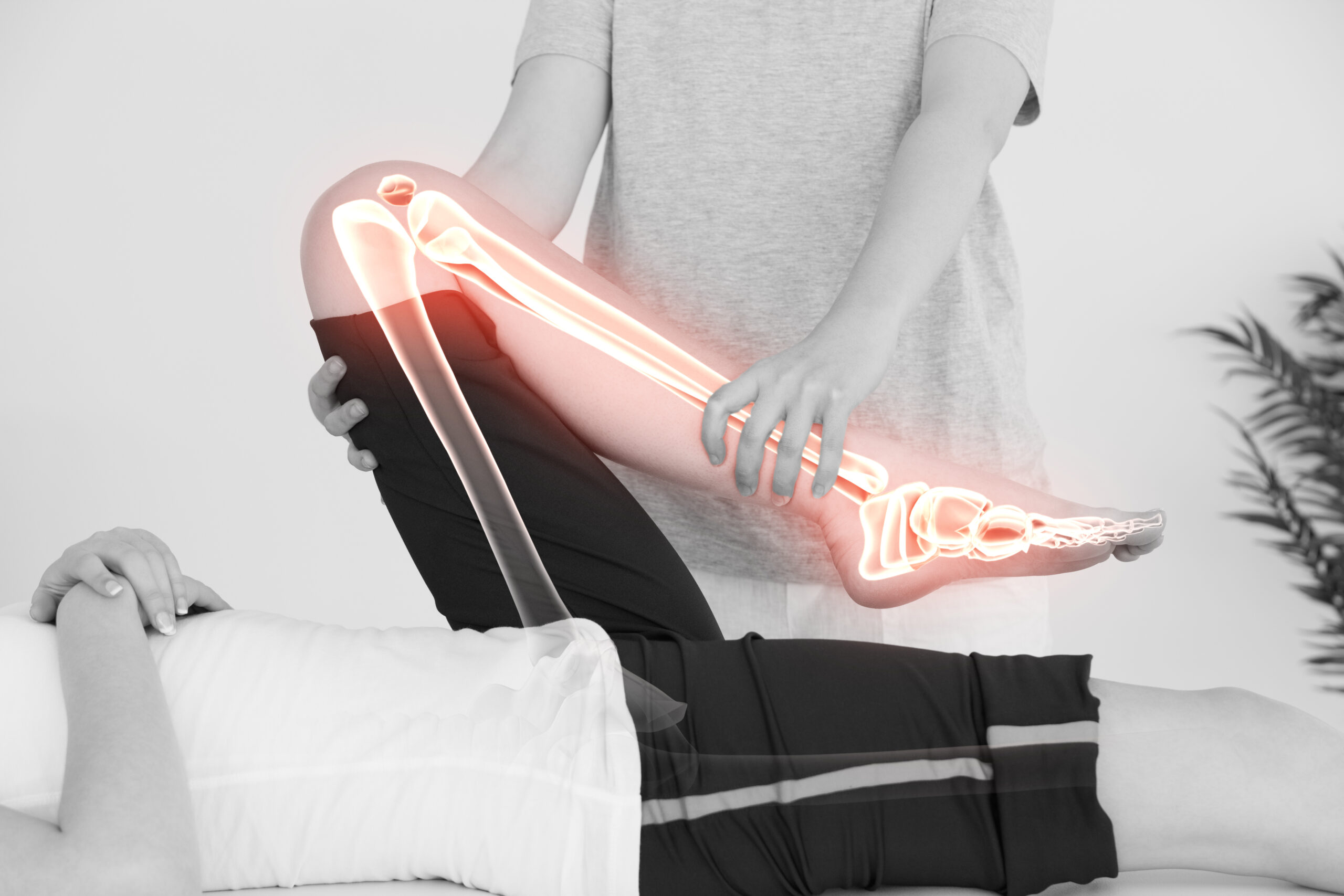
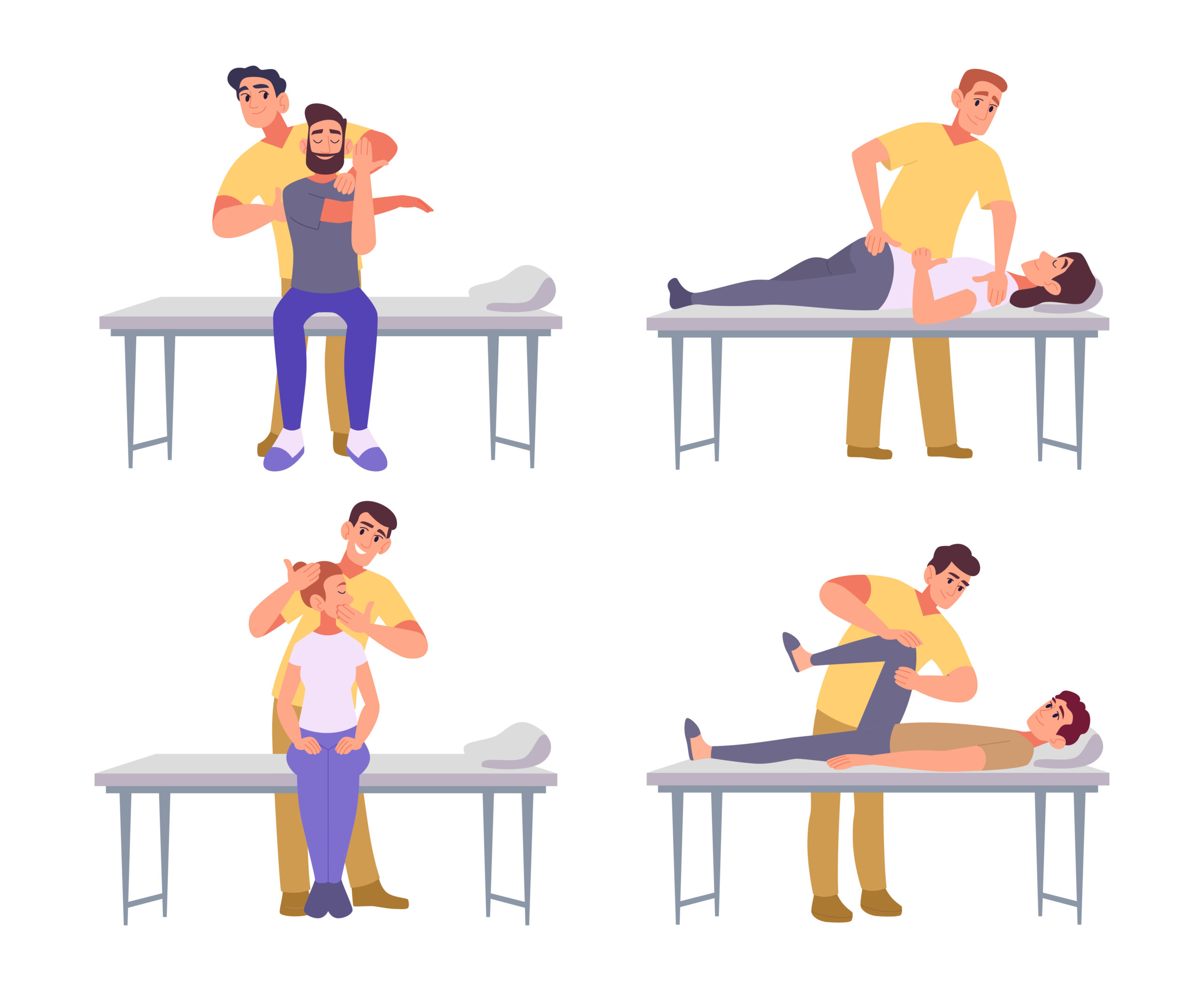
During an ART session, a chiropractor uses their hands to apply pressure and tension to the affected area while the patient moves their limb. This process helps identify and treat areas of restricted movement or scar tissue. For carpal tunnel syndrome, the therapist may target the forearm muscles, wrist ligaments, and surrounding soft tissues. By restoring normal movement and reducing tension, ART can potentially alleviate nerve compression and improve blood flow. This approach is often used alongside other chiropractic methods, such as adjustments or ergonomic advice, to address the root causes of CTS.
Conditions Where ART Excels
ART is particularly effective for conditions involving soft tissue restrictions, such as tendonitis, repetitive strain injuries, and muscle imbalances. It is commonly used to treat issues like tennis elbow, golfer’s elbow, and shoulder impingement. For carpal tunnel syndrome, ART may be most beneficial when symptoms stem from tightness in the forearm muscles or adhesions in the wrist area. It can also help with conditions that mimic CTS, such as thoracic outlet syndrome or nerve entrapment in the neck. However, ART is not a standalone solution and works best as part of a comprehensive care plan tailored to the individual’s needs.
Benefits of ART for Nerve-Related Conditions
By addressing soft tissue restrictions, ART can enhance nerve mobility and reduce irritation. This is especially relevant for nerve-related conditions like carpal tunnel syndrome, where compressed nerves cause discomfort. The technique may also improve range of motion and decrease pain by restoring proper tissue function. Patients often report reduced inflammation and improved flexibility after ART sessions. While not a cure, ART can complement other treatments, such as splinting or ergonomic adjustments, to provide relief. It is important to note that results vary, and a chiropractor can assess whether ART is suitable for a specific case.
When to Consider ART for Carpal Tunnel Syndrome
Individuals experiencing persistent symptoms of carpal tunnel syndrome, such as numbness, tingling, or weakness, may consider ART as part of their treatment plan. It is often recommended for those who have not found relief through conservative measures like wrist braces or lifestyle changes. ART may also be beneficial for people with mild to moderate CTS or those seeking non-invasive alternatives to surgery. However, it is crucial to consult a qualified chiropractor to determine if ART is appropriate. They can evaluate the underlying causes of symptoms and create a personalized approach that may include ART, adjustments, or referrals to other specialists.
Combining ART with Other Chiropractic Approaches
ART is frequently used in conjunction with other chiropractic techniques to address carpal tunnel syndrome comprehensively. Spinal adjustments may help relieve nerve pressure in the neck or upper back, which can contribute to CTS symptoms. Soft tissue therapies like massage or dry needling may also be integrated to enhance outcomes. Additionally, chiropractors may provide ergonomic advice or recommend exercises to prevent recurrence. This multi-faceted approach ensures that both the local and systemic factors contributing to CTS are addressed. As with any treatment, the effectiveness of ART depends on individual circumstances, and a chiropractor can guide patients in making informed decisions about their care.