Understanding Lumbar Spinal Stenosis and Treatment Options
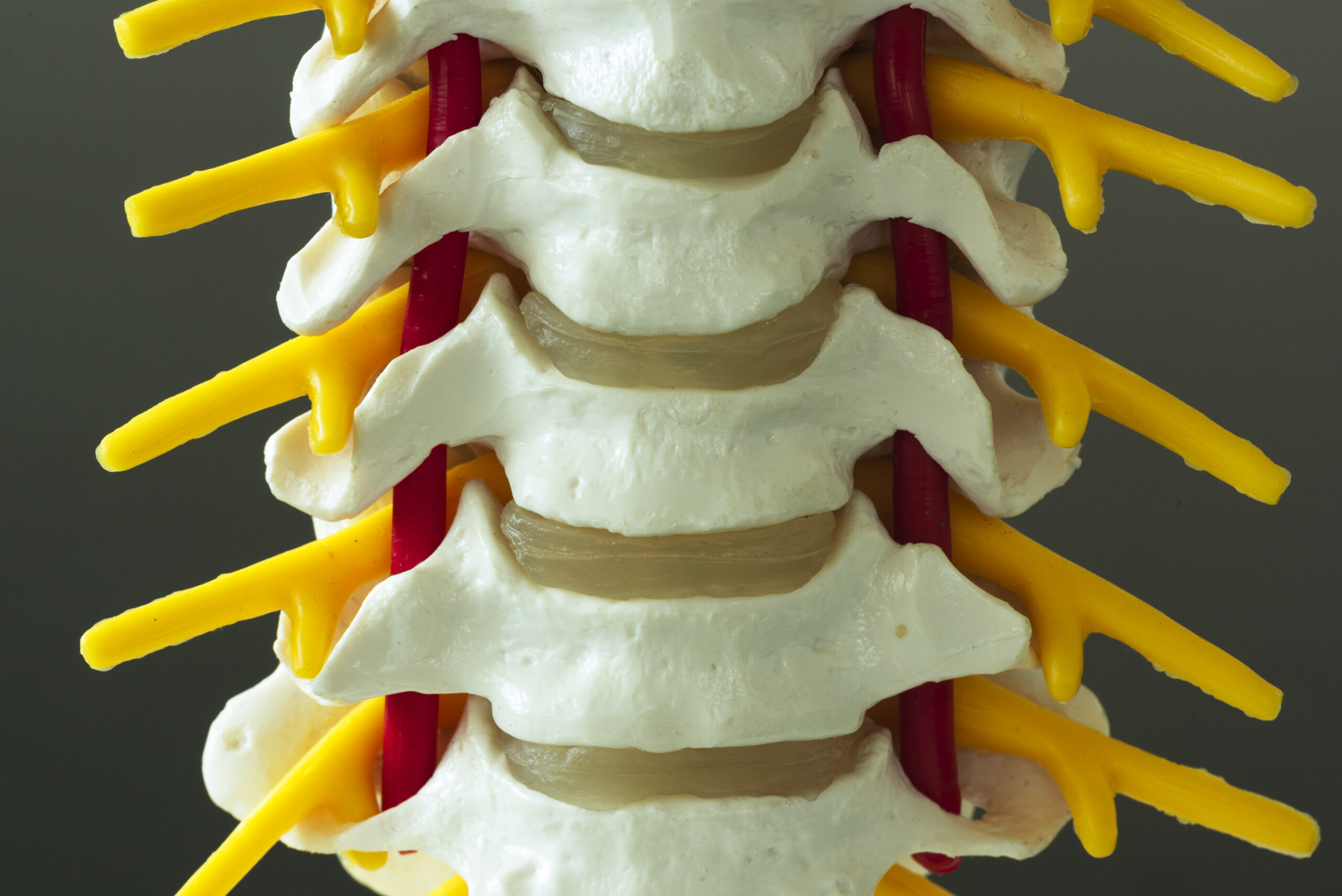
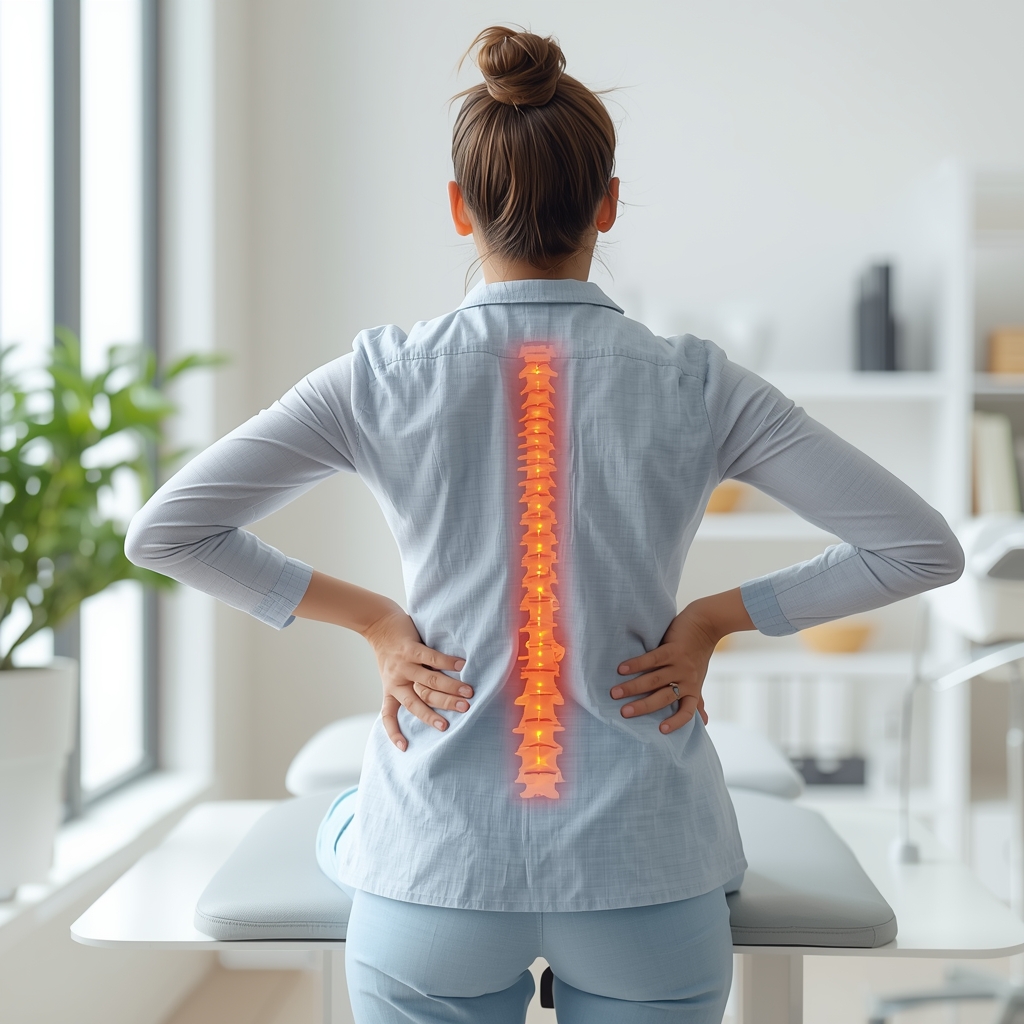
Lumbar spinal stenosis occurs when the spinal canal narrows, compressing nerves and causing pain, numbness, or weakness in the lower back and legs. This condition often develops gradually due to aging, degenerative changes, or herniated discs. Treatment options include conservative approaches like chiropractic care and more invasive procedures such as surgery. While surgery may provide rapid relief for severe cases, many patients explore non-surgical alternatives first. Understanding the long-term outcomes of these choices helps individuals make informed decisions aligned with their health goals and preferences.
Long-Term Outcomes of Chiropractic Care
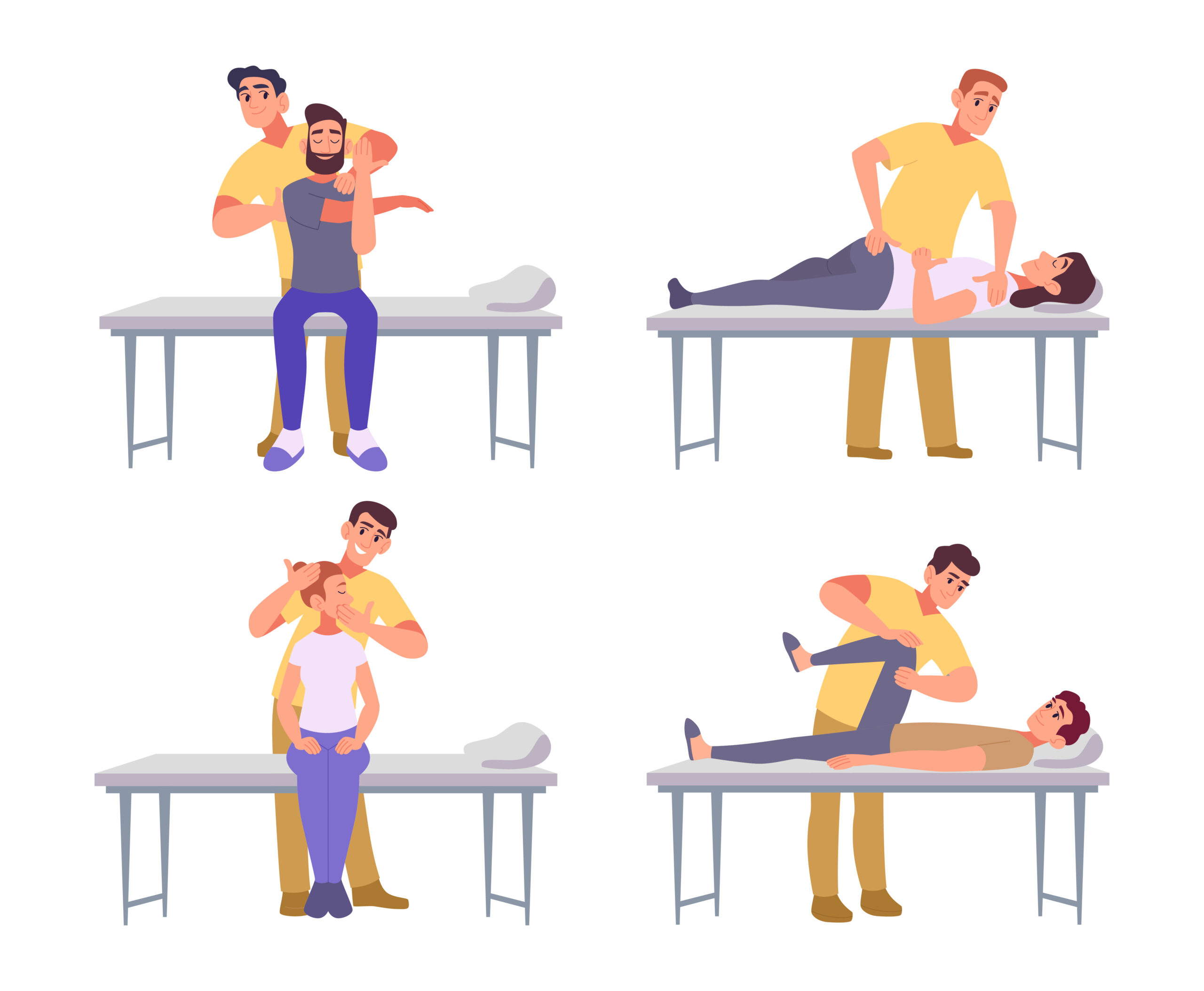
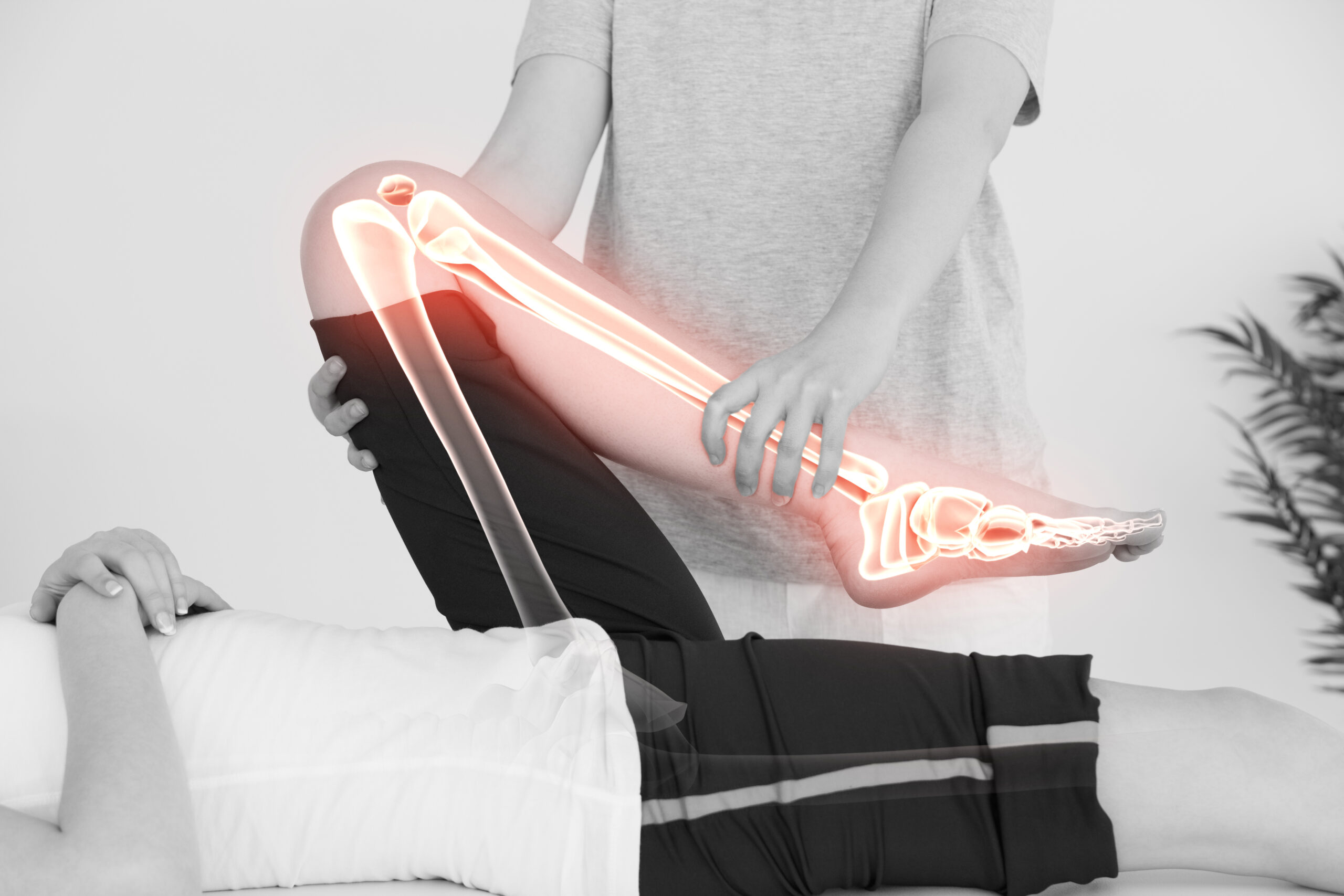
Chiropractic care for lumbar spinal stenosis focuses on spinal adjustments, soft tissue therapy, and lifestyle guidance to reduce pressure on nerves and improve mobility. Research suggests that many patients experience symptom relief and improved function through these non-invasive methods. Long-term outcomes often depend on the severity of the condition and adherence to treatment plans. While chiropractic care may not reverse structural changes, it can help manage symptoms effectively over time. Some studies indicate that consistent care may delay or avoid the need for surgery, though individual results vary. Patients often report sustained improvements in pain levels and quality of life when care is tailored to their specific needs.
Long-Term Outcomes of Surgical Interventions
Surgical options for lumbar spinal stenosis, such as laminectomy or spinal fusion, aim to relieve nerve compression by altering the spinal structure. While these procedures can provide significant short-term relief, long-term outcomes vary. Some patients experience lasting benefits, while others may face complications like infection, nerve damage, or the need for additional surgeries. Recovery times are longer compared to non-surgical approaches, and not all patients achieve complete symptom resolution. Long-term studies highlight the importance of careful patient selection and realistic expectations. Surgery is often recommended for severe cases where conservative treatments fail to provide adequate relief.
Key Considerations in Decision-Making
Decisions between chiropractic care and surgery involve evaluating factors like symptom severity, overall health, and personal preferences. Patients with milder symptoms may opt for chiropractic care to avoid surgical risks, while those with debilitating pain might prioritize faster relief through surgery. Age, activity level, and the presence of other health conditions also play a role. Open communication with healthcare providers is essential to weigh the potential benefits and risks of each approach. Shared decision-making ensures choices reflect individual values and goals, fostering confidence in the selected treatment path.
How Patients and Providers Collaborate
Effective decision-making requires collaboration between patients and healthcare professionals. Chiropractors and surgeons may work together to assess a patient’s condition, review imaging results, and discuss treatment options. Patients should ask questions about expected outcomes, recovery timelines, and potential complications. Tools like shared decision-making guides can help clarify preferences and priorities. Regular follow-ups allow for adjustments to treatment plans as needs evolve. This partnership ensures that choices are well-informed and adaptable, supporting long-term health and well-being.
Summary and Recommendations
Choosing between chiropractic care and surgery for lumbar spinal stenosis involves balancing potential benefits and risks. Chiropractic care offers a non-invasive approach to managing symptoms, while surgery may be necessary for severe cases. Long-term outcomes depend on individual factors, and no single solution works for everyone. Patients are encouraged to consult with qualified providers to explore options thoroughly. By prioritizing open dialogue and evidence-based guidance, individuals can make decisions that align with their health goals and lifestyle needs.