Understanding the Importance of Immediate Care After a Minor Auto Accident
After a minor auto accident, even if symptoms seem mild, prompt chiropractic evaluation is crucial. Many injuries, such as soft tissue damage or spinal misalignments, may not cause immediate pain but can lead to long-term complications if left untreated. Chiropractors specialize in assessing and addressing these issues through non-invasive techniques. Immediate care helps identify hidden injuries, reduces recovery time, and prevents chronic conditions. Patients are encouraged to seek professional guidance within 48 hours of the accident to ensure optimal outcomes. While not all accidents result in severe trauma, early intervention supports the body’s natural healing processes and minimizes the risk of secondary injuries. This proactive approach aligns with chiropractic principles of holistic, patient-centered care.
Common Immediate Chiropractic Interventions
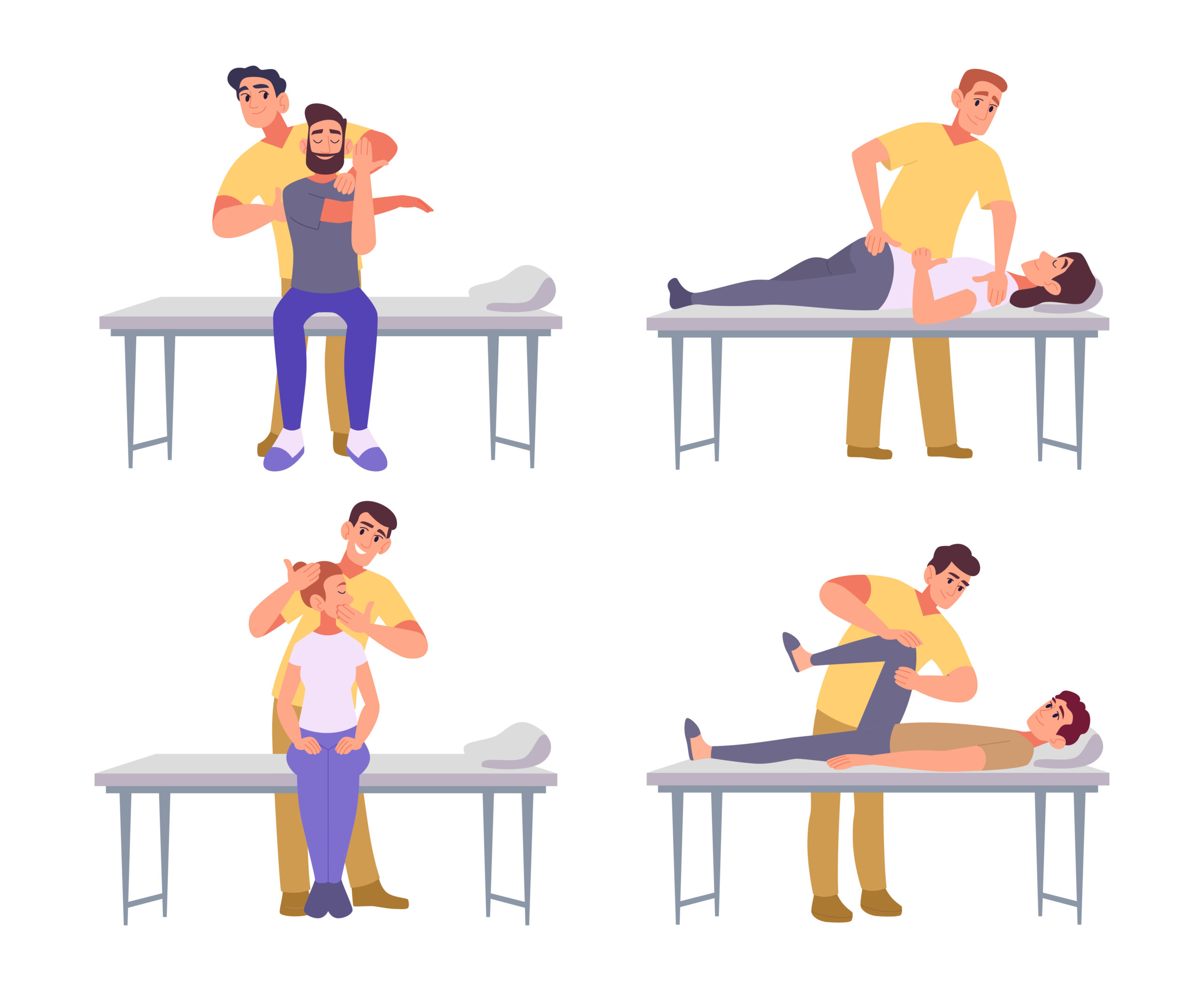
Chiropractors often recommend a series of immediate interventions to address post-accident discomfort. Spinal adjustments are a primary technique, aiming to restore proper alignment and alleviate pressure on nerves. Soft tissue therapies, such as massage or myofascial release, may be used to reduce muscle tension and inflammation. Additionally, modalities like heat therapy or electrical stimulation can ease pain and promote circulation. These interventions are tailored to the patient’s specific needs, focusing on comfort and mobility. Chiropractors may also provide ergonomic advice to prevent further strain. It’s important to note that these steps are part of a broader care plan, not a substitute for medical evaluation. Patients should communicate any new or worsening symptoms to their provider for timely adjustments to their treatment strategy.
Spinal Assessments and Diagnostic Evaluations
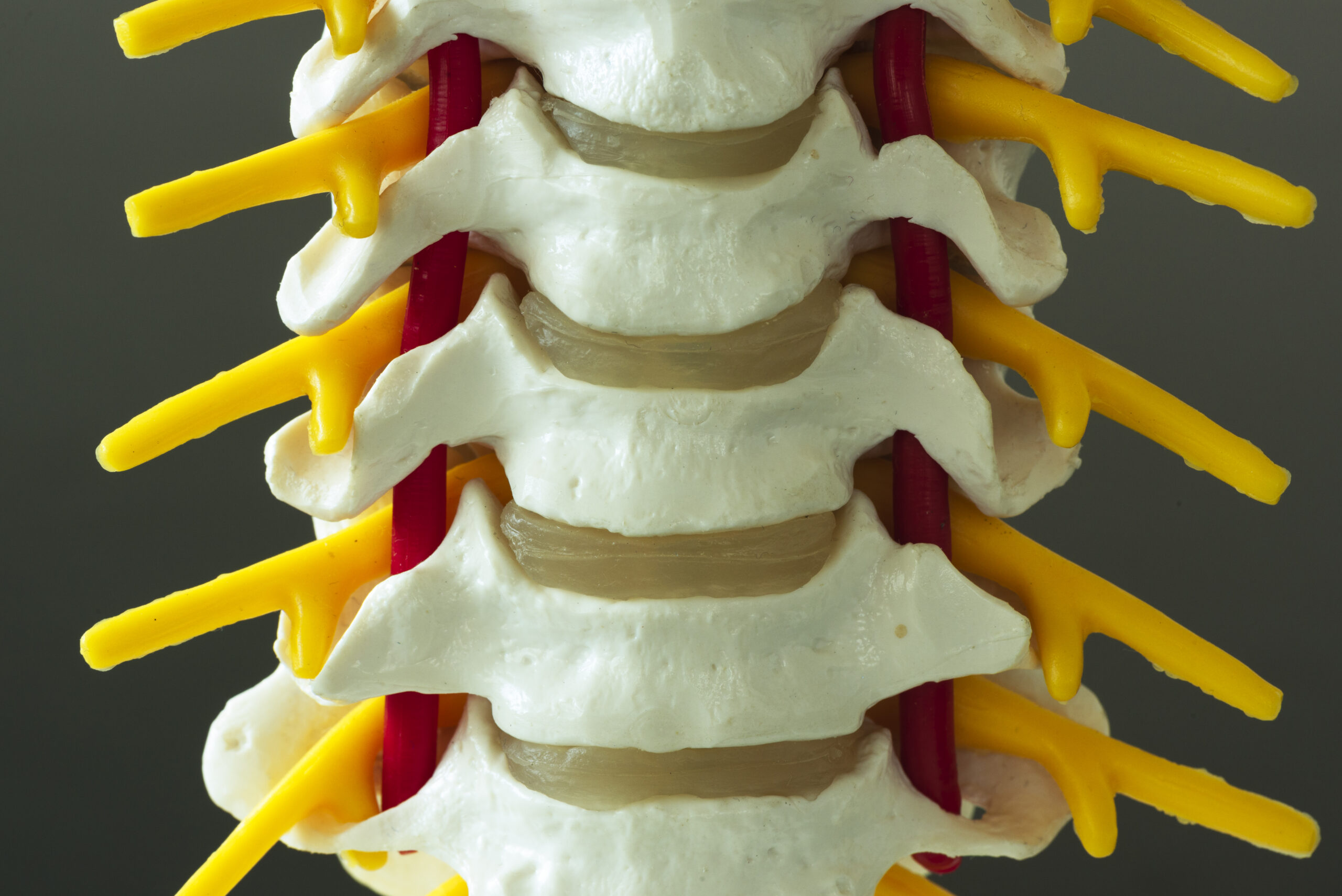
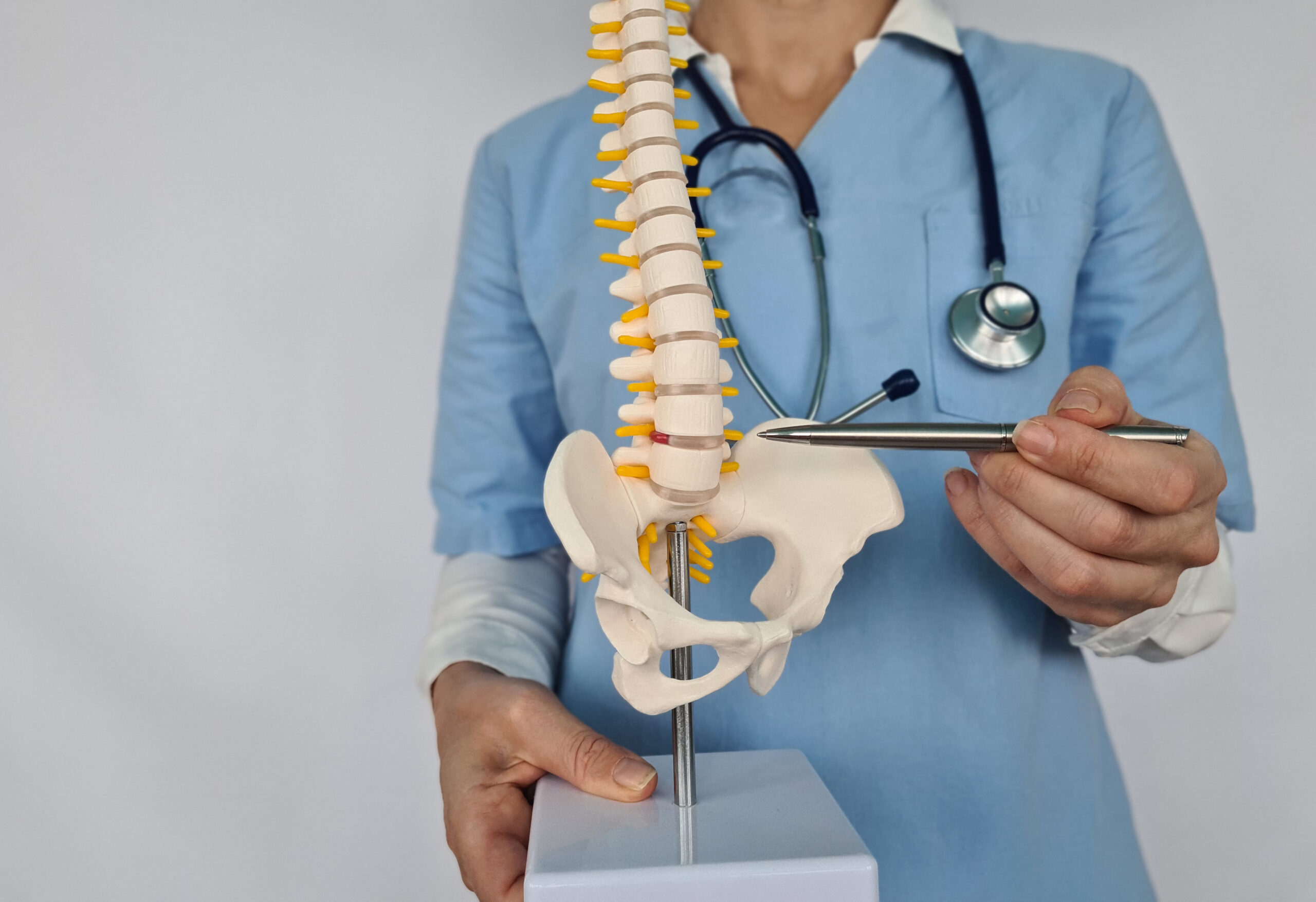
Chiropractors conduct thorough spinal assessments to detect misalignments or injuries following an accident. This includes palpation, range-of-motion tests, and neurological evaluations to identify areas of dysfunction. Imaging, such as X-rays or MRI scans, may be recommended to rule out fractures or severe soft tissue damage. These diagnostic steps ensure treatments are safe and targeted. For minor accidents, the focus is on restoring normal spinal mechanics to prevent long-term complications. Patients should expect a detailed explanation of findings and how they relate to their symptoms. This process empowers individuals to make informed decisions about their care. Chiropractors prioritize patient education, helping them understand the connection between spinal health and overall well-being. Such assessments form the foundation for effective, personalized treatment plans.
Addressing Soft Tissue and Muscular Strain
Soft tissue injuries, including muscle strains and ligament sprains, are common after auto accidents. Chiropractors use techniques like Active Release Technique (ART) or Graston Therapy to break down scar tissue and restore flexibility. These methods enhance blood flow, reduce inflammation, and accelerate healing. Patients may also receive guidance on gentle stretching exercises to maintain mobility. Chiropractors often collaborate with physical therapists to create comprehensive rehabilitation programs. It’s essential to avoid strenuous activities that could worsen injuries. Instead, focus on low-impact movements recommended by the provider. Education on posture and body mechanics plays a key role in preventing re-injury. By addressing soft tissue damage early, chiropractors help patients regain function and reduce the risk of chronic pain.
Guidance for Patients on Post-Accident Self-Care
Chiropractors emphasize self-care strategies to complement professional treatments after an accident. Patients are advised to apply ice to injured areas for the first 48 hours to reduce swelling, followed by heat to relax muscles. Over-the-counter pain relievers may be used as directed, but consulting a provider is recommended. Gentle movement, such as walking, can prevent stiffness and promote circulation. Patients should avoid heavy lifting or twisting motions that strain the spine. Chiropractors may also suggest ergonomic adjustments for work or home environments. Staying hydrated and maintaining a balanced diet supports the body’s healing processes. It’s crucial to monitor symptoms and report any changes to the chiropractor. These steps empower patients to actively participate in their recovery while ensuring safety and effectiveness.
Follow-Up Care and Long-Term Management
Follow-up appointments are vital to track progress and adjust treatment plans as needed. Chiropractors may schedule regular sessions to maintain spinal alignment and address lingering discomfort. Patients should attend these visits to ensure optimal recovery and prevent setbacks. Long-term management often includes lifestyle modifications, such as improved posture or exercise routines. Chiropractors may also recommend preventive care to reduce the risk of future injuries. Open communication with the provider is key to addressing concerns and adapting strategies over time. Patients are encouraged to ask questions and seek clarification on any aspect of their care. By prioritizing follow-up, individuals can achieve lasting relief and maintain overall musculoskeletal health. This ongoing partnership between patient and chiropractor fosters long-term wellness and resilience.